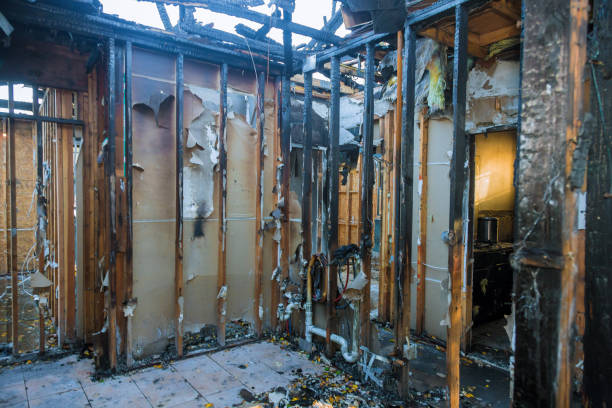
Soot isn't just dirt — it's an acidic byproduct of combustion that keeps corroding metal, grout, and painted surfaces for as long as it sits untreated. Fire Damage Laser Cleaning's Soot Cleanup crews in College Park, MD remove it using the correct mechanical method for each surface — dry sponging where wiping would smear, HEPA extraction on fabric and porous material, and solvent cleaning only where the surface can handle it.
A damp cloth is the wrong first move on dry soot; it drives the residue into the surface rather than removing it, and we see this mistake constantly on College Park service calls. Our technicians test the residue type before choosing a method, not after.
Call +1-866-484-1409 Now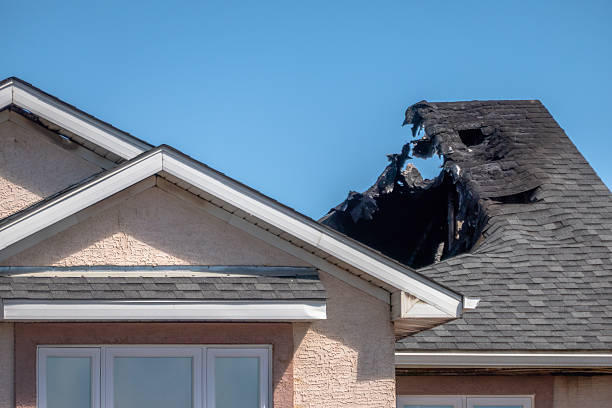
We choose dry sponge, HEPA vacuum, or solvent cleaning based on the specific surface, not a default process.
Metal surfaces get a neutralizing treatment specifically to stop the acidic residue from continuing to corrode after cleaning.
Soot keeps etching the longer it sits, so College Park calls get same-day scheduling whenever possible.
The price we quote up front is the price on your invoice, full stop.
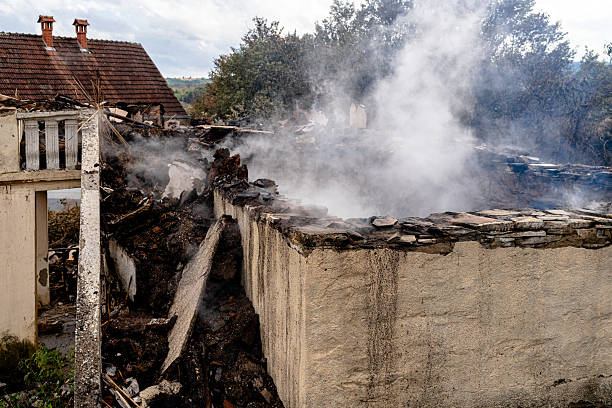
One of the more common College Park service calls involves a homeowner who scrubbed soot off a wall themselves only to end up with a darker, harder-to-remove stain than what they started with — that's the acidic residue reacting with whatever cleaner was used.
We see this exact scenario often enough in College Park that it's worth mentioning before anyone reaches for a sponge and dish soap on their own.
Testing the residue's chemistry before treatment is a small step that prevents the kind of setback a DIY attempt often creates — it takes minutes and avoids turning a straightforward job into a bigger one.
Having both neutralizing chemistries on hand means our Soot Cleanup crews aren't limited to a one-size-fits-all treatment on a College Park job.
Dry sponging is our default first pass on painted and finished surfaces, since it removes soot without spreading the residue.
Porous materials like drywall corners, carpet, and upholstery get HEPA-filtered vacuuming to pull soot particles out rather than push them deeper.
Because soot corrodes metal continuously, hardware and fixtures get treated even after visible residue is gone.
Textured surfaces like grout and brick trap soot in ways flat walls don't, so we use a different solvent approach there.
Skipping the HVAC check is how a fully-cleaned room ends up dusted with soot again within weeks.
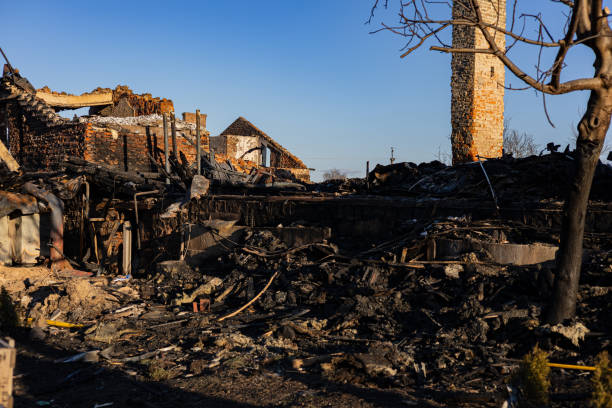
A live dispatcher takes your call at +1-866-484-1409 and routes the nearest College Park soot crew right away.
A fully equipped crew typically reaches College Park properties within the hour of your call.
The technician tests soot type and surface reaction before writing a room-by-room, surface-matched estimate.
We inspect every treated surface under bright light before calling the job complete, checking for missed residue.
"Learning that soot corrodes metal changed how urgently I treated my kitchen hardware."
— Dana K., College Park
"The grout in our bathroom looked permanently gray until they used a different method on it."
— Omar J., College Park
"I appreciated that they checked the HVAC system instead of just cleaning the visible rooms."
— Sylvia R., College Park
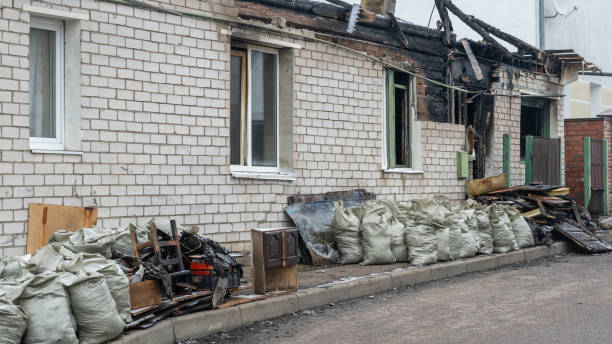
Fire Damage Laser Cleaning dispatches Soot Cleanup crews across College Park and throughout the surrounding College Park, MD area, with acid-neutralizing and HEPA equipment staged locally for fast response.
Every College Park response vehicle carries pH testing strips and the full range of dry sponges, HEPA equipment, and neutralizing agents needed for a same-visit diagnosis and start.